1QpHab as a case study for the pesher hermeneutic

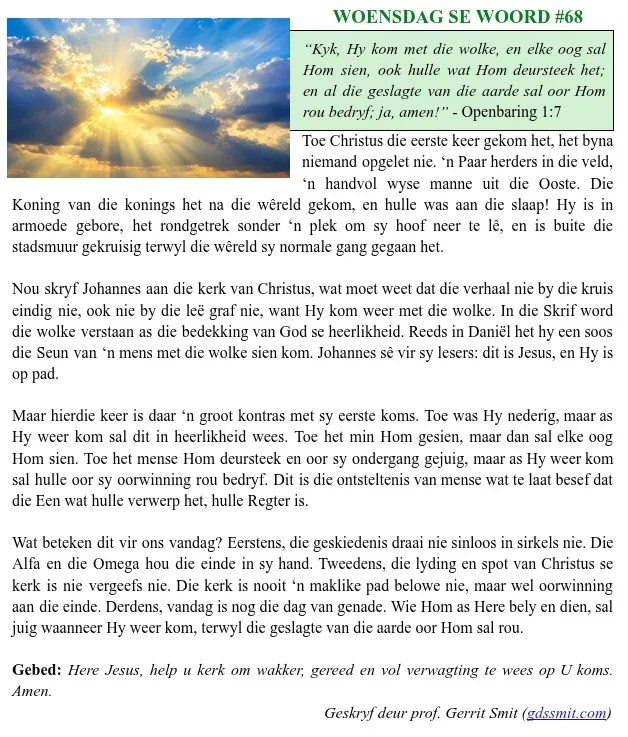
Qumran grot 4. 90% van die Dooie Seerolle is in hierdie grot ontdek.

Recently, I was teaching a PRTS course for ThM students on the history and preservation of the biblical text. In one of the lectures, I included a discussion about the importance of the Dead Sea Scrolls for the study of the preservation of Scripture. For that purpose I built a series of case studies from Qumran, in which I placed readings from the Old Testament beside readings from the Dead Sea Scrolls and students had to evaluate the differences and similarities for themselves.

This study takes the discussion outside the classroom and examines the Pesher Habakkuk (1QpHab) from the Dead Sea Scrolls as a case study for evaluating the relationship between the Qumran pesher hermeneutic and the New Testament’s use of Scripture. After considering the scroll’s significance as a textual witness to the preservation of Habakkuk, the study focuses on Habakkuk 2:4 and its interpretation at Qumran and in Romans 1:17, Galatians 3:11, and Hebrews 10:37–38. The study argues that the Qumran material illuminates the interpretive diversity of Second Temple Judaism without providing the hermeneutical authority for apostolic exegesis. The New Testament’s interpretation rests on the fulfilment of God’s promises in Christ and the coherent testimony of Scripture itself. The comparison thus contributes to a Reformed understanding of biblical hermeneutics, the authority of apostolic interpretation, and the relationship between the historical meaning of prophetic texts and their canonical fulfilment.

You can read it following this link to Academia.edu or download it here.
Teaching in the ThM at PRTS

Puritan Reformed Theological Seminary | Grand Rapids MIThis week I will be lecturing as a visiting professor in the Master of Theology (ThM) programme of Puritan Reformed Theological Seminary (PRTS) for students all over Africa. PRTS is a well-known Reformed seminary situated in Grand Rapids, Michigan, USA.
I will be teaching 20 lectures on The History and Preservation of the Biblical Text, a course that examines the transmission and preservation of the text of the Old and New Testaments from the Masoretes and the Dead Sea Scrolls to modern translations. We will also study the history of the Reformed doctrine of Scripture. The course engages primary sources from the ancient world, the early church, the Reformation, and Reformed orthodoxy through modern scholarship.

This course aims to equip the next generation of pastors, theologians, and Christian leaders to handle the Word of God faithfully and with scholarly care.

I am grateful for this opportunity to contribute to international theological education and to serve within the wider Reformed academic community.

Pray with us that the Lord will bless these lectures, grant the students understanding and wisdom in their study of Scripture, and equip them to serve Christ and His church faithfully.

Bybelskoling: Kinderdoop of grootdoop?

Is jou kinderdoop ‘n ware doop? Wat is die verskil tussen die doop as teken van bekering en die doop as teken van God se verbond?

Wat is die verskil tussen die grootdoop en die kinderdoop en wat leer die Bybel?

The Apostolic Fathers’ understanding of divine speech

Hierdie studie het ontstaan uit my voorbereiding vir ’n kursus wat ek in Oktober vanjaar aanbied vir die Meestersgraad-studente aan die Puritan Reformed Theological Seminary (PRTS) oor die geskiedenis en bewaring van die Bybelse teks. Terwyl ek die oordrag en ontvangs van die Bybelse teks in die vroeë kerk nagevors het met die oog op die lesings, het die aanhalingspraktyke van die Apostoliese Vaders my veral opgeval. Ek het opgemerk dat hulle Skrifaanhalings dikwels met werkwoorde van “spreek” in die teenwoordige tyd, soos λέγει, φησίν en λαλεῖ, ingelei het, terwyl die perfektum passief γέγραπται die mees voor-die-hand-liggende woord sou wees.

Hierdie waarneming het aanleiding gegee tot ’n nadere ondersoek na die vraag of die grammatikale vorm van hulle Skrifaanhalings ’n breër verstaan van die Skrif weerspieël het, naamlik as goddelike spraak wat in die hede aan die kerk gerig word. Hierdie artikel poog om die verskynsel binne sy historiese, literêre en teologiese konteks te ondersoek.


ABSTRACT

The Apostolic Fathers frequently introduce scriptural citations with present-tense verbs of speaking (λέγει, φησίν, λαλεῖ) alongside the perfect verb γέγραπται. They locate the reception of these texts in the gathered assembly, identify the speaker with the Word who proceeds from the silence of the old covenant, and treat the Spirit’s activity as continuing in the church’s reading and proclamation. Taken together, these habits suggest that Scripture functions for them less as a written record to be consulted than as divine address that is heard in the present. This study examines the relevant texts in their historical setting and then considers what light this early approach to divine speech may shed on the reformed understanding of Scripture as the viva vox Dei.

You can read the article on Academia.edu or Researchgate